

In today's dynamic automotive landscape, pre-owned vehicles are undergoing a renaissance, becoming the go-to option for savvy buyers. Due to the escalating costs of brand-new cars and a heightened emphasis on sustainability, an increasing number of individuals are choosing secondhand options that deliver a combination of value and trustworthiness. This upcoming year marks a pivotal year for the pre-owned vehicle landscape, as automotive fans, households, and novice drivers alike uncover the advantages of opting for pre-owned vehicles over their new models.
Whether you are a seasoned buyer or navigating the world of pre-owned vehicles for the initial time, grasping the details of this market is essential. Including how to evaluate possible acquisitions to distinguishing the differences between approved and non-approved options, our extensive guide will equip you with the insight you need to make wise selections. Accompany us as we explore strategies for finding quality vehicles on a budget, the best models for distinct lifestyles, and the developing trends shaping the next phase of the secondhand car landscape.
Key Considerations When Buying Used Cars
As you the used car market, it's important to evaluate how the vehicle will fit into your lifestyle. Think about your specific needs, such as room for passengers, fuel efficiency, and how you plan to use it. For instance, if you’re a new driver or looking for a family car, prioritize safety features, reliability, and comfort. Spend some time to research models that align with your requirements and budget, which will help you refine your choices and make the shopping experience more efficient.
A further critical aspect to keep in mind is the vehicle's history. Obtain a detailed vehicle history report to uncover crucial information about past accidents, title issues, or odometer discrepancies. This report can help you avoid cars with hidden problems that could lead to costly repairs in the future. Additionally, if possible to contact previous owners to gain insights into their experiences with the vehicle.
Lastly, ensure you understand the financing options available for used cars. Whether you are buying directly or through a dealership, look into various financing methods, including loans that fit your budget. Check your credit score beforehand, as it can significantly affect the interest rates you receive. Always be prepared to negotiate prices, and don't hesitate to walk away if an offer falls short of your expectations. These considerations will empower you and improve your chances of making a wise investment in a used car.
Financing and Negotiation Advice
When it comes to financing your used car, grasping your budget is essential. Before entering a dealership or meeting a private seller, take the opportunity to review your financial situation and set a maximum amount you are prepared to pay. Look into various funding options, such as traditional loans, community banks, or in-house financing, and compare the APR and terms. Having preliminary financing can give you leverage during negotiations and can assist you avoid getting sidelined by high-interest rates.
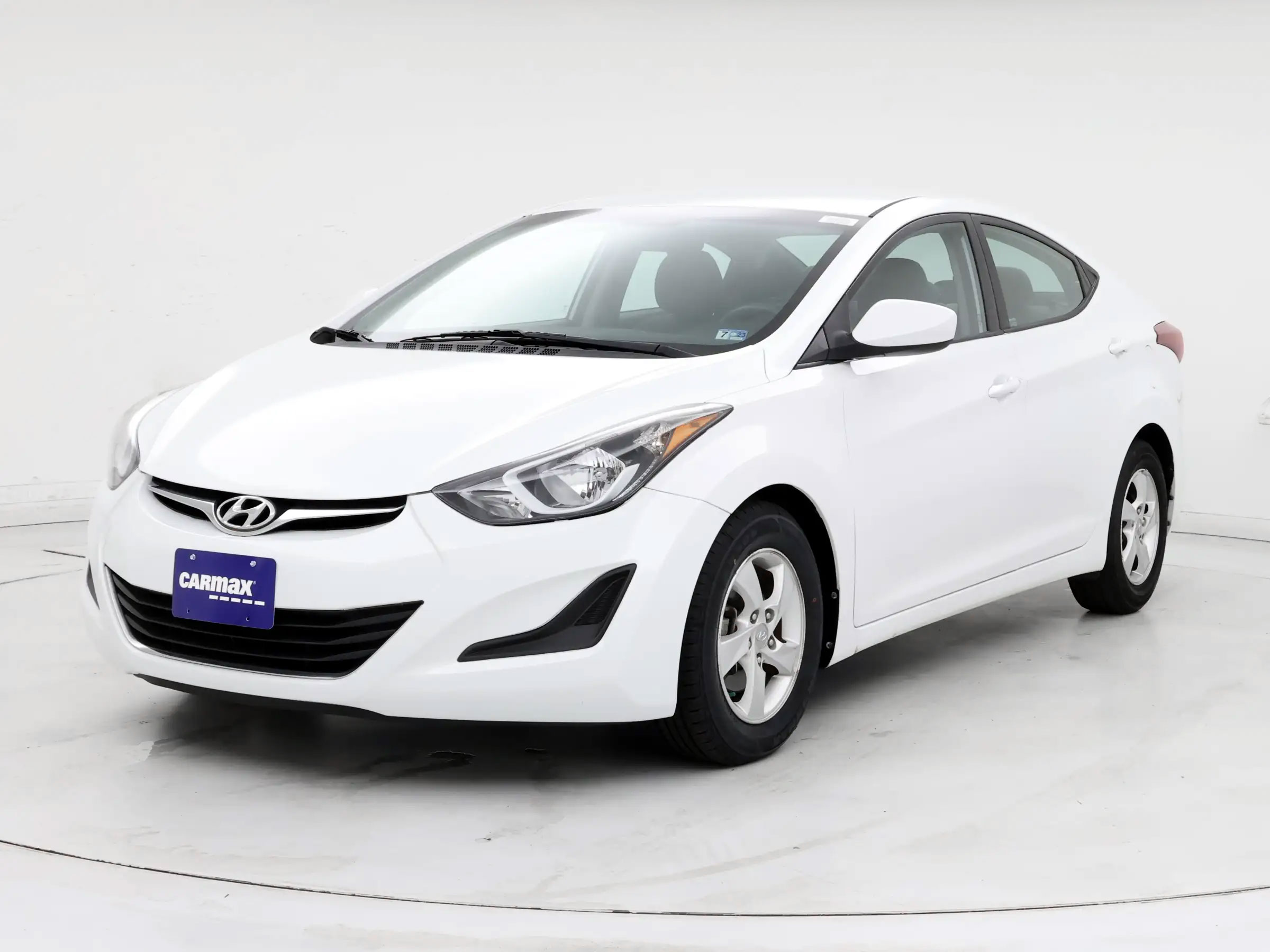
Haggling the price of a used car can feel daunting, but preparation is essential. Research the brand and model of the vehicle you are considering and gather information on its market value, mileage, and physical state. Additional reading as Kelley Blue Book or similar services offer tools to help you determine fair pricing. When negotiating with the seller, be assured and decisive; present any comparable listings to support your offer. Be unafraid to walk away if the deal doesn't satisfy your wants, as there are always other alternatives available.
Lastly, take into account the total cost of ownership beyond the purchase price. Factor in insurance, maintenance, fuel efficiency, and potential repairs when making a choice. Additionally, if you are considering an extended warranty, consider its benefits against the expense. Always remind yourself that securing the optimal deal involves not only the purchase price but understanding the financial implications of your investment in the long run.
Security and Reliability in Used Cars
When buying a used car, focusing on safety and reliability is important. Modern vehicles are fitted with various safety systems, including advanced airbags, stability management, adaptive cruise control, and lane departure warnings. However, the effectiveness of these features can vary by type and production year. Researching safety ratings from credible sources, such as the National Highway Traffic Safety Administration or the IIHS, can provide important insights into the car's functionality in collision tests and its overall safety record.
Dependability is another key factor to consider. Some manufacturers have established reputations for making dependable cars that can endure the rigors of years. Tools like customer reviews and digital feedback can assist spot the best and least reliable pre-owned vehicles in terms of reliability. Moreover, understanding the specific quirks and frequent problems associated with specific car types can prevent subsequent issues. Ensuring that the car has been well-maintained by reviewing maintenance histories can further guarantee its dependability.
In combining with assessing safety systems and dependability assessments, getting a comprehensive pre-purchase inspection is highly advised. A certified mechanic can assess the car’s mechanical state, look for any hidden problems, and confirm that safety features are operational. This step can give peace of mind, knowing that the car you select not only meets safety standards but will also serve you effectively for the long term.