

When your venture in various building and land development initiative, grasping the terrain may be an crucial element. Geomapping surveys have the vital role in mapping out the natural attributes of the site, offering critical information about elevations, land shapes, and the relationship among various land features. Regardless of whether you plan to be looking to build a new home, develop a business location, or further undertake infrastructural projects, having accurate geomapping information at your fingertips is essential for making informed choices.
In this piece, explores topographical surveys, shedding light on the importance of and when they are needed. From supporting successful construction efforts to aiding in meeting legal requirements and environmental assessments, topographical surveys offer copious amounts of data that may significantly influence the results of your project. Our focus will be to discuss the nuances of topographical surveys, focusing on the ways in which advancements in technology enhances the precision of these surveys, the common pitfalls of overlooking these surveys, and how they can help reveal site constraints that may affect your project plans. Join us as we navigate through the critical takeaways that underscore these surveys an indispensable part of any construction venture.
Understanding Geomorphological Surveys
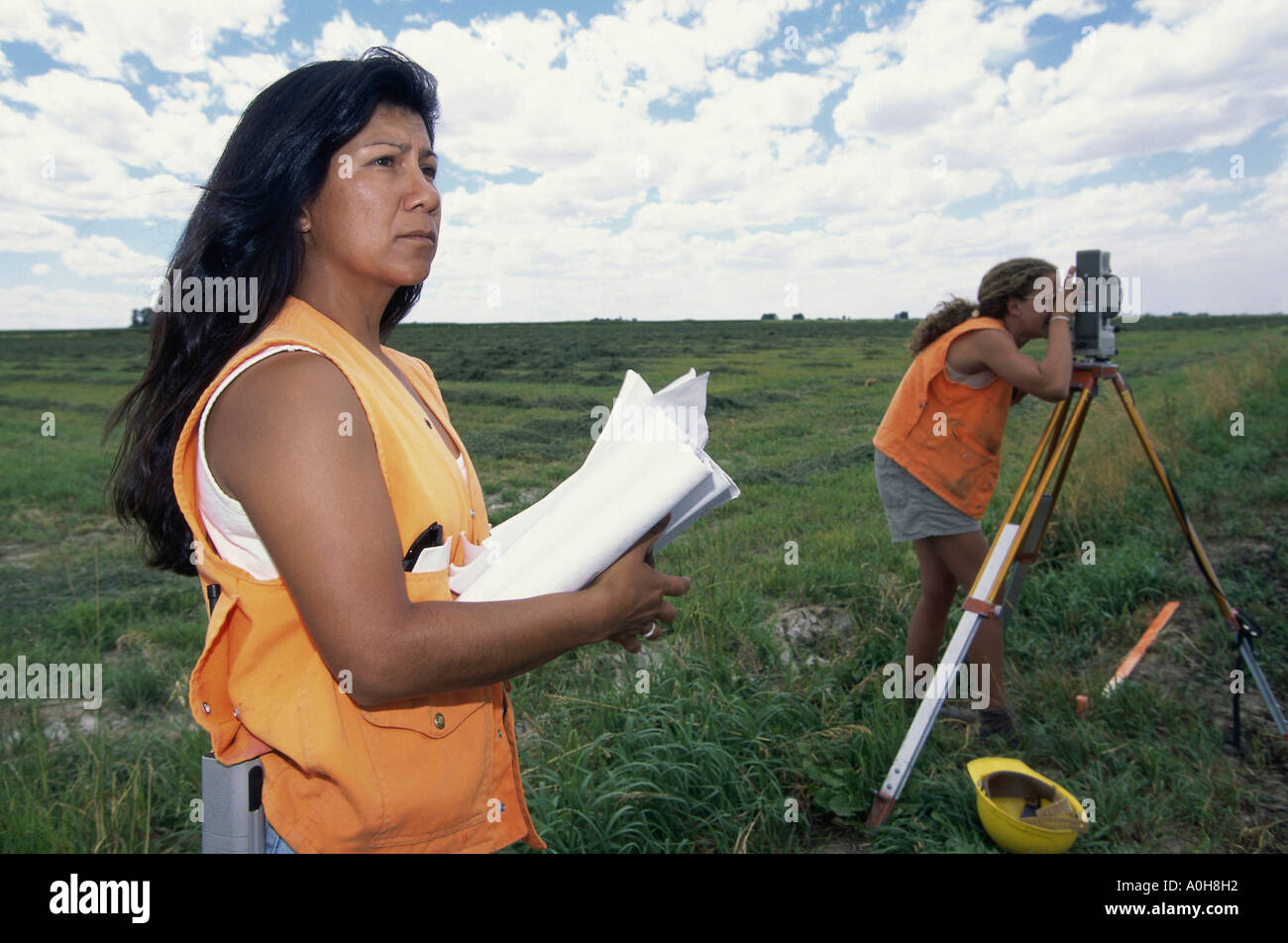
Topographical surveying are detailed depictions of specific attributes of a specific area, comprising its shapes, altitudes, and various tangible attributes such as trees, buildings, and bodily water sources. These assessments are vital for comprehending the three-dimensional arrangement of a site, enabling architects, technical experts, and planners to imagine how a proposed project will conform within the existing landscape. The results gathered during a geomorphological evaluation provides essential knowledge that inform planning and judgments, ensuring that initiatives align with both the physical environment and compliance guidelines.
When is a topographic assessment needed? Usually, they are important at the beginning of any initiative that includes land modification, be it it’s for residential units, commercial establishments, or utility developments. They help uncover potential issues related to topography fluctuations, water management issues, and environmental factors. By achieving a comprehensive understanding of the land's surface, experts can make educated choices about the layout and location of buildings, which is vital for the success of any building endeavor.
Moreover, current technological advancements has substantially enhanced the precision and productivity of topographical evaluations. Approaches such as GPS, unmanned aerial vehicles, and light detection and ranging (LiDAR) scanning allow for more exact data and more rapid data acquisition compared to standard methods. This advancement not only reduces time and money but also helps create highly comprehensive diagrams that are critical for planning, analysis, and realization. Precise surveys are necessary for avoiding costly errors during the design phase and ensuring that building aligns with local regulations and ecological considerations.
Significance of Land Assessments in Construction
Topographical surveys perform a vital part in the preparation of multiple building endeavors. They offer important data about the land's geographical features, including height, shapes, and natural landmarks. This information is vital for designers, engineers, and project managers to understand the site’s circumstances and requirements, enabling them to develop projects that fit well within the landscape. Without precise land insights, projects can experience substantial difficulties, leading to significant changes and interruptions.
Furthermore, topographical surveys help reveal ecological conditions that may influence the initiative. For case, they offer data into runoff trends and flood threats, allowing project teams to address these issues proactively. View website is essential for ensuring that the site is safe and compliant with local regulations. By incorporating topographical information into the planning workflow, teams can devise plans that alleviate potential issues, ultimately enhancing the development's effectiveness.
Furthermore, the accuracy and reliability of topographical surveys lead to significant financial advantages throughout the project duration. By shaping judgments from the outset, these surveys minimize the probability of costly errors and revisions. Using state-of-the-art methods, such as GPS and UAVs, boosts the precision of surveys, leading to increased efficient plans and lessened build period. Ultimately, the value of topographical analyses cannot be underestimated, as they establish the groundwork for successful and lasting initiative outcomes.
Choosing the Best Land Surveying Company
Selecting the right land surveying firm for your geographic survey is essential to the outcome of your assignment. Begin by researching businesses that specialize in geographic surveys and have a proven track record in your particular area of interest. Look for firms that demonstrate their expertise with related assignments and can provide customer testimonials or examples. This preliminary vetting process will help you identify potential options who are knowledgeable about local regulations and location conditions.
An additional important aspect is the equipment and techniques employed by the survey firm. Firms that employ the most advanced technology, such as GPS, drones, and laser scanning, can often provide more accurate and comprehensive surveys than those using standard techniques. Request prospective companies about their technological expertise and how these tools enhance their offerings. This will also let you know you about the effectiveness and precision of the assessments they can provide.
Finally, communication and client service play a key part in your choice process. The right company should be quick to your questions and able to easily outline the assessment process, results, and timelines. Building a strong rapport with the surveying team can result in better collaboration and a smoother process progression. Choose companies willing to talk about your assignment in detail and answer any concerns you may have, guaranteeing that your requirements and expectations will be fulfilled.