

Within the rapidly evolving world of construction, ensuring the safety of employees and passersby is crucial. One of the most effective tools for enhancing safety on job sites is protective netting. As hazardous conditions increase, the implementation of robust safety measures is essential. Safety netting provides a dependable barrier against falls, offering significant protection for workers engaged in dangerous activities and safeguarding those in the surroundings.
This detailed guide delves into the importance of safety netting in modern construction projects, examining its various types and applications. Beginning with an understanding of the key regulations and standards to identifying common pitfalls and maintenance best practices, we will cover all aspects of safety netting. By considering how safety netting not only meets regulatory requirements but also enhances productivity and builds confidence in workers, this article will be an invaluable resource for contractors and construction managers committed to focusing on safety and safeguarding their business investments.
Understanding Fall Protection
Fall protection is a crucial component in infrastructure and other high-risk industries, acting a key role in shielding workers from injuries. It is basically a type of safety netting that forms a safety net to arrest personnel and equipment if they descend from high places. By reducing the risk of accidents or fatality, safety netting not only safeguards workers but also helps businesses adhere to safety regulations and standards.
The design and setup of safety netting are guided by specific regulations that outline its performance, including how it must be fastened and its load capacity. Understanding these criteria is essential for project managers to ensure effective protection on worksites. Utilizing safety netting reduces the potential for grave accidents, making the workplace safer and promoting a environment of safety among all workers.
Additionally, safety netting can be tailored for multiple applications, whether it's for tall structures, restoration work, or civil engineering like overpasses and subways. By analyzing the specific needs of a project and the varieties of risks involved, construction managers can select the suitable safety netting solutions to enhance protection. This adaptability emphasizes the significance of safety netting in modern construction and emphasizes its role in protecting investments and enhancing overall site safety.
Best Practices for Safety Netting
Implementing safety nets effectively requires careful planning and implementation. Initially, assess the specific needs of your construction site by considering factors like the height of the work area, the type of work being performed, and possible hazards. Conduct a thorough risk assessment to determine the appropriate type of safety netting needed, ensuring it complies with local regulations and industry standards. Proper training for workers on the use and importance of safety netting is crucial to foster a culture of safety on your job site.
Installation of safety netting must follow best practices to ensure maximum effectiveness. Ensure that the netting is securely anchored and that all seams and corners are secured. Regularly inspect https://safetynettingoxfordshire.uk/ netting for wear and tear, and make adjustments as necessary. Proper maintenance includes checking load ratings and weather resistance capabilities, as environmental factors can significantly impact the performance of safety netting. Document all inspections and maintenance activities to maintain compliance with safety regulations.
Incorporating safety netting into your overall safety plan is important. This involves not only installation and maintenance but also integrating it with additional fall protection measures such as guardrails and personal fall arrest systems. Regular safety meetings should include discussions about safety netting practices, allowing workers to share feedback and experiences. By prioritizing safety netting as part of a comprehensive safety approach, businesses can reduce liability, enhance employee confidence, and promote overall productivity on job sites.
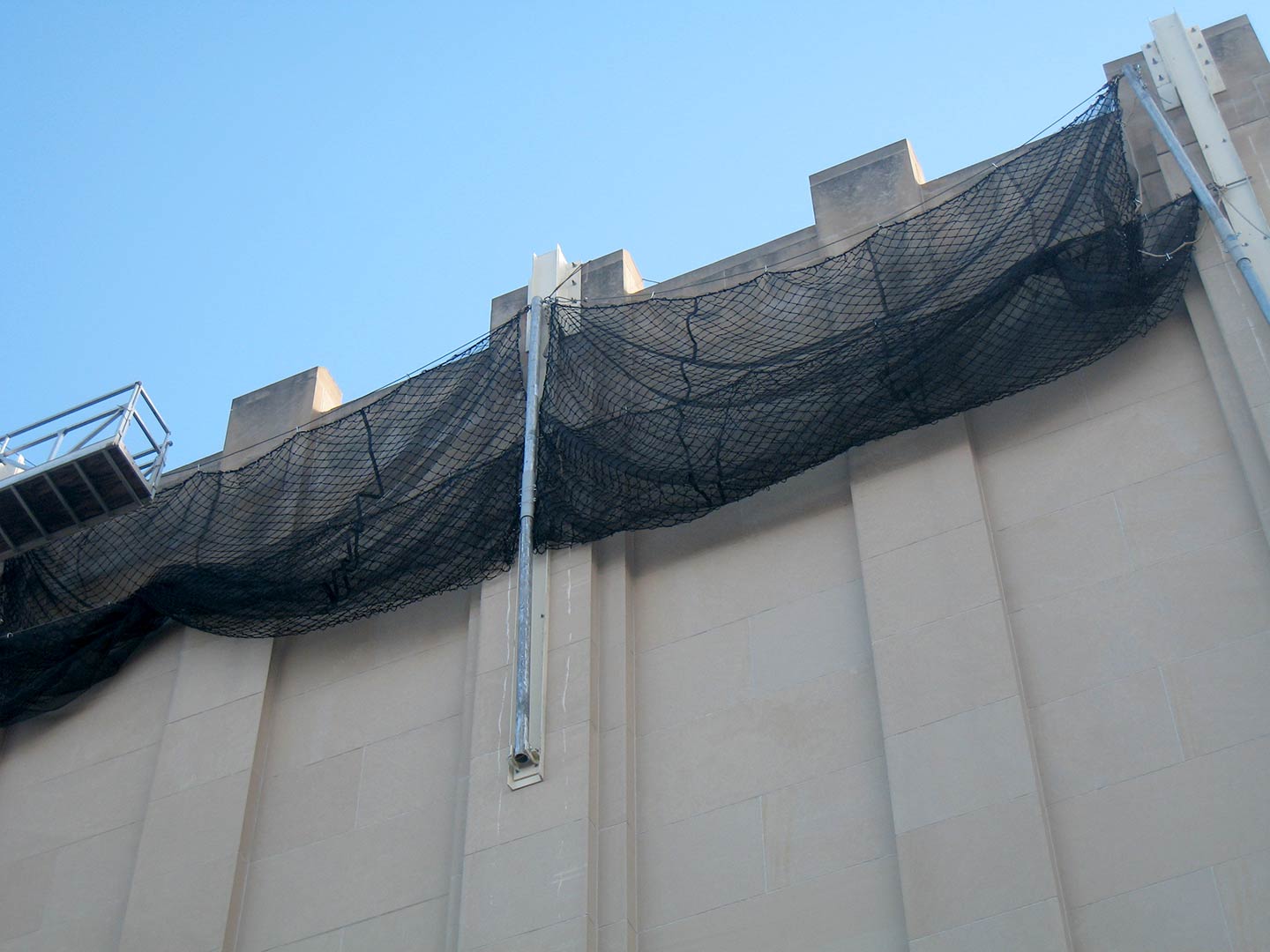
Regulations and Compliance
Ensuring compliance with safety netting rules is crucial for every construction projects. Different regulatory bodies, including OSHA in the US, have established clear guidelines for the proper installation and maintenance of safety nets. These rules are designed to safeguard workers from falls and ensure that safety equipment meets specific performance standards. Builders must remain informed on these requirements to avoid financial penalties and improve workplace safety.
Builders should acquaint themselves with the specific safety netting rules applicable to their projects. This includes understanding the necessary specifications for netting, such as the strength, size, and installation methods. Additionally, compliance with local and national building codes is essential to ensure that safety net systems blend smoothly with additional fall protection measures. Regular audits and inspections can assist maintain compliance and point out any areas needing improvement.
To further ensure compliance, training programs for workers on proper safety netting utilization are important. Workers should know both the function and correct techniques related to safety netting to enhance its effectiveness. A robust culture of safety, where every team member is well-informed and proactive about regulations and compliance, not only safeguards workers but also bolsters the overall integrity of the construction project.