
When it comes to buying a home, the enthusiasm can sometimes eclipse the essential actions important for securing your investment. Home buyer surveys play a crucial role in this process, offering critical perspectives on a property's state and assisting you in making knowledgeable choices. In the current competitive landscape, understanding the real value of a home buyer survey might be the key distinction between a hassle-free transaction and future challenges laden with unforeseen expenses.
Whether you are new to buying homes or a seasoned investor, navigating the complexities of the real estate market requires careful consideration. A comprehensive home buyer survey does not just reveal the current state of a property; it serves as a smart buyer's best defense against hidden issues that could lead to significant expenses down the road. This comprehensive checklist will lead you through all essential aspects of home buyer surveys, ensuring you possess confidence before finalizing the transaction.
Grasping Home Buyer Surveys
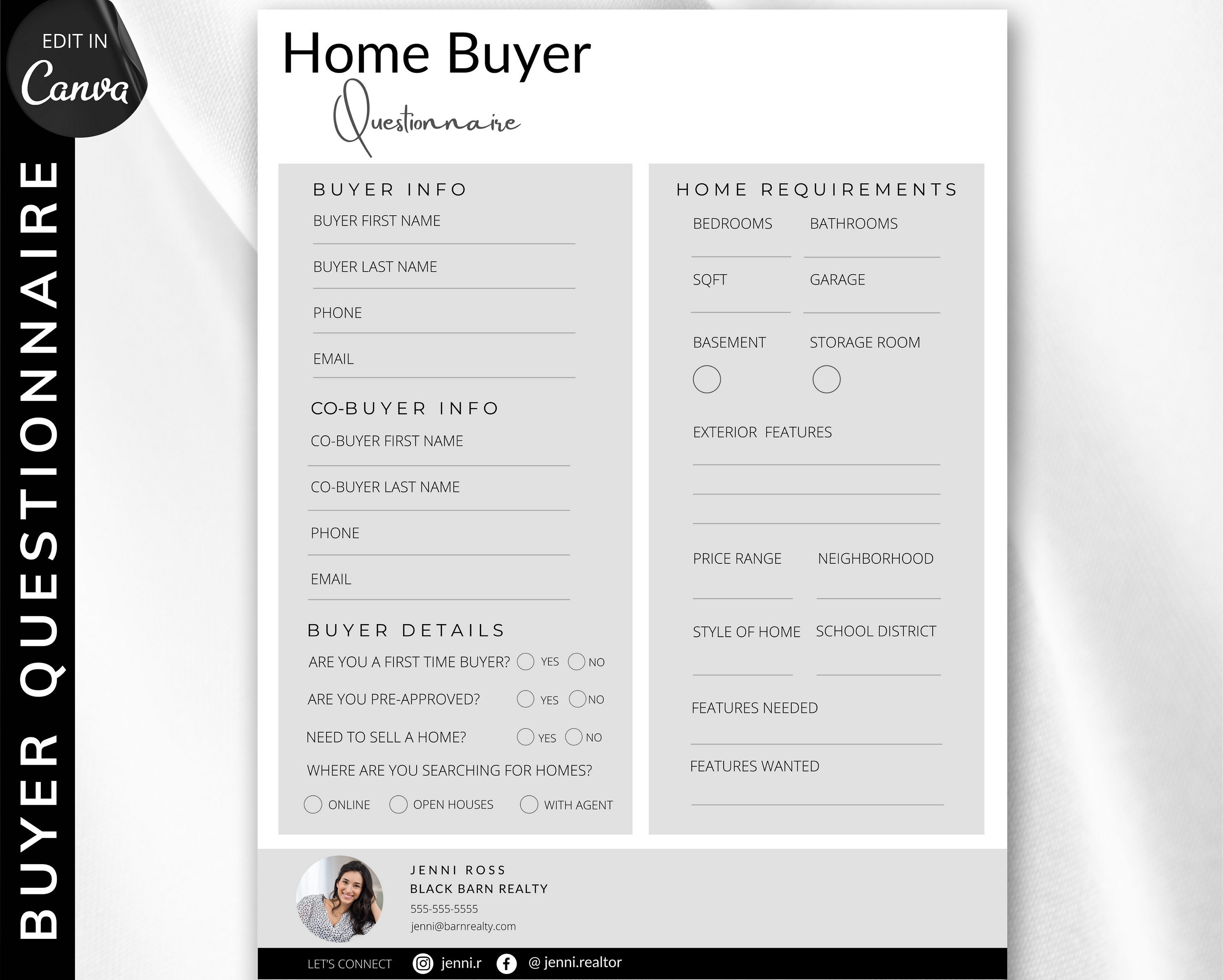
Home buyer surveys are crucial evaluations conducted on a property before finalizing a final purchase decision. These surveys help buyers gain a comprehensive insight of the property's condition, revealing potential issues that may not be visible during a brief viewing. From evaluating structural integrity to discovering hidden damages, a thorough survey provides crucial insights that can impact a buyer's decision.
In today's market, where rivalry is fierce and properties are often sold quickly, disregarding a home buyer survey can lead to severe consequences. Buyers may overlook significant repairs and maintenance costs that could occur after closing the deal. By utilizing a home buyer survey, buyers can equip themselves to make informed decisions and bargain better terms, boosting their assurance in the purchase process.
Moreover, understanding the different types of home buyer surveys available can further strengthen buyers. Each type offers different levels of detail and focus, serving different needs and budgets. By spending time to understand what each survey entails, buyers can choose the right one for their specific situation, ultimately ensuring a smoother buying experience and helping them avoid potential problems.
A Benefits of Residential Surveys
Home buyer surveys function as a crucial resource for potential buyers, providing valuable information into the condition of a property prior to finalizing a purchase. One of the primary advantages of performing a survey is the detection of hidden issues that may not be visible during a simple walk-through. This includes latent structural defects, pest issues, or plumbing problems that could lead to expensive repairs down the line. Having this data enables buyers to make informed decisions and discuss repairs or price adjustments prior to closing the deal.
In addition, residential surveys contribute substantially to psychological comfort. Being aware of the exact state of a property lessens the uncertainty and anxiety often associated with real estate transactions. Buyers can move forward with their purchase with confidence, recognizing the property's advantages and weaknesses. The survey results can also enable buyers prepare for future upgrades or repairs, guaranteeing they spend wisely in their new home.
Finally, home buyer surveys can boost the appeal of an offer in a busy market. When buyers can provide a survey demonstrating the property's condition, they exhibit due diligence to sellers and may even bolster their position during negotiations. Hop over to this website can make bids more desirable, potentially persuading sellers who may be evaluating multiple bids, thus providing a tactical advantage in a challenging buying environment.
Getting Ready for A Home Buyer Survey
Ahead of the home buyer survey takes place, there are several important steps to make sure of a smooth process. Begin by gathering all relevant documentation related to the property, which includes previous surveys, repair records, and disclosures from the seller. This information gives the surveyor with a full picture of the home’s history and condition, allowing for a more in-depth evaluation. Furthermore, make a list of any specific concerns you have about the property, such as potential issues with the roof, plumbing, or foundation, to talk with the surveyor.
Then, clear the property of any clutter that may hinder access to essential areas. Make sure that the surveyor can easily access important locations like the attic, basement, and utility areas. If the property is currently tenanted, coordinate with the sellers or tenants to keep these spaces clear. A thorough inspection can only occur if the surveyor has clear access to all relevant areas and systems of the home.
In conclusion, be sure to communicate clearly with your surveyor prior to the inspection. Ask any questions about the process, what to expect, and how the findings will be shared to you. Building a good line of communication will help you grasp any potential issues more clearly and guide you in making knowledgeable real estate decisions. Being properly prepared can significantly enhance the value you gain from the home buyer survey.