

The debate surrounding the deletion of AdBlue has certainly gained momentum lately, while owners of diesel vehicles navigate the complex landscape of emission laws and system malfunctions. AdBlue, a crucial component in today's diesel vehicles, is a major part in lowering toxic emissions. However, a lot of drivers encounter frustration with the difficulties posed by this system, leading some to consider the contentious choice of an AdBlue delete. Grasping the implications of such a decision requires thorough consideration of the pros and cons, as well as awareness of how it may affect vehicle performance and adherence to regulations.
As diesel engines continue to develop, so do the technologies created to ensure they meet with stringent emission standards. While certain vehicle owners may view an AdBlue delete as a rapid solution to ongoing problems, it is crucial to explore the underlying problems that cause this a choice. From frequent issues with AdBlue to the costs associated with repairs, this article will analyze the numerous facets of the debate surrounding AdBlue removal. By looking into both the possible advantages and disadvantages, we aim to offer a comprehensive overview for diesel vehicle owners and fleet operators confronting these pressing choices.
Understanding AdBlue Deletes and the Implications
The deletion of AdBlue is becoming popular topic for diesel-powered vehicle owners as they look for options for the AdBlue system that is meant to reduce emissions. The AdBlue system, that injects a urea solution into an exhaust stream, serves a essential role in fulfilling strict emission standards. An elimination of AdBlue means altering or eliminating the system entirely, making it attractive to certain drivers seeking to avoid issues and costs associated with AdBlue systems. However, this modification can lead to serious legal and environmental implications.
A significant issue with an AdBlue delete is the impact on vehicle compliance with emissions regulations. Many regions maintain strict laws surrounding vehicle emissions, and deleting the AdBlue system can mean a vehicle is not compliant. This can result in fines or penalties for the owner as well as the fleet operator if the vehicle undergoes testing and does not satisfy emissions standards. Additionally, driving a vehicle that does not adhere to these regulations can negatively impact the environment, contradicting efforts to reduce air pollution.
Furthermore, the implications of an AdBlue delete go beyond legality. Removing or modifying the AdBlue system can influence the overall performance of the engine. Though some might experience immediate improvements in power or fuel efficiency, the long-term effects can include greater wear and tear on the engine and possible harm to other essential components. Given these factors, it is important for diesel vehicle owners to evaluate the pros and cons thoroughly before considering an AdBlue delete.
Pros and Cons of AdBlue Deletion vs. Fixing
When thinking about the choice of deleting the AdBlue system, the primary advantage is often instant cost savings and simplified operation. Removing the system can eliminate the need for AdBlue fluid, which some drivers find cumbersome and expensive over time. Additionally, this option can sometimes lead to a slight boost in performance, as it eliminates the potential limitations placed by the AdBlue system on power output and throttle response. This attraction can be particularly strong for those who value performance over emissions compliance.
However, the downside of AdBlue deletion are significant and should not be overlooked. One major downside is the legality of such modifications, as disabling emission control systems can breach environmental regulations and lead to substantial fines. Furthermore, removed systems may face challenges passing emissions tests, possibly rendering the vehicle unusable in certain jurisdictions. This can have serious long-term implications for vehicle resale value and compliance with environmental standards.
On the other hand, fixing the AdBlue system ensures that the vehicle remains compliant with emissions regulations and maintains its warranty. While repairs can be costly and may require regular maintenance, they ultimately promote the longevity and reliability of diesel engines. A well-maintained AdBlue system contributes to reduced emissions, plays a crucial role in performance optimization, and ensures that fleets can operate without disruptions caused by emissions-related downtimes. For fleet owners, the choice to repair rather than remove should weigh heavily on regulatory compliance and long-term operational benefits.
spintax ### AdBlue System Care and Issue Resolution
Routine maintenance of the AdBlue system is essential for ensuring optimal performance and durability of diesel engines. Routine checks should consist of checking the AdBlue fluid level, looking for leaks in the system, and inspecting components for any indications of wear or damage. Maintaining the AdBlue tank free of contaminants and topping it off with high-quality fluid can help prevent crystallization and other issues that may arise from using contaminated or substandard products.
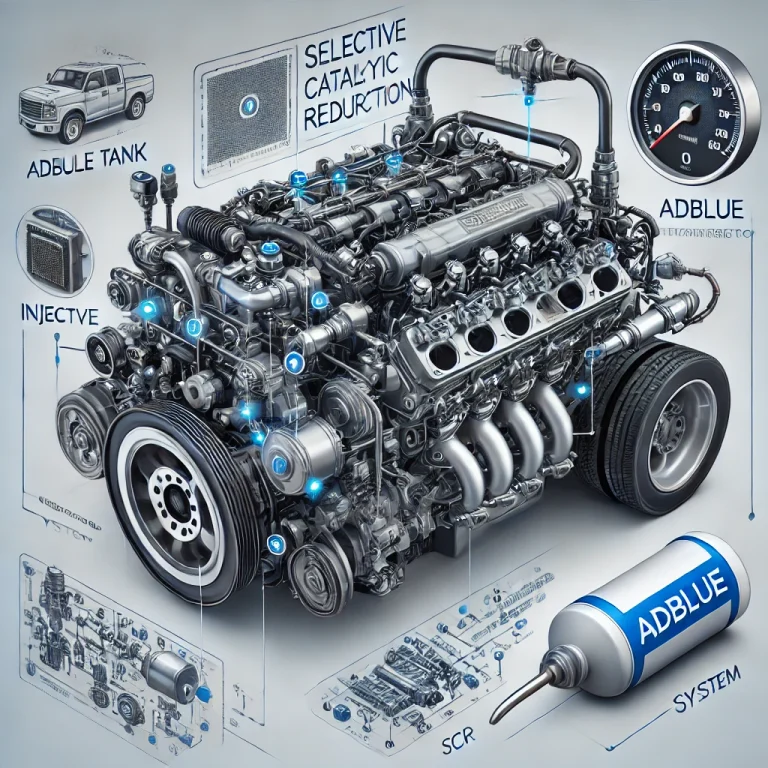
If drivers encounter warning messages related to the AdBlue system, prompt troubleshooting is essential. Common signs of an AdBlue fluid system malfunction include decreased engine performance, warning lights on the dashboard, and issues with vehicle pollution control compliance. Using Find more info can help identify specific faults in the SCR system, leading drivers and technicians to the right remedies for effective repairs.
To extend the life of the AdBlue system, vehicle owners should perform routine maintenance checks and address small issues before they worsen. Maintaining the AdBlue tank at an adequate capacity, especially in cold weather, can prevent crystallization. Additionally, being aware about common issues such as pump failures or injector blockages allows fleet owners and drivers to seek professional assistance right away, reducing downtime and keeping vehicles running efficiently.