

In an era where precision and correctness maintain paramount importance in building and design, quantified construction surveys have appeared as a revolutionary tool in the architecture and real estate development fields. Such surveys provide extensive and in-depth information about current structures, acting as a crucial foundation for any restoration or fresh building venture. By recording the precise dimensions and features of a building, measured surveys allow architects, technical experts, and developers to make wise decisions and create successful plans that fulfill the needs of contemporary living.
As technology evolves, the methods employed in calibrated construction assessments have also progressed significantly. From classic tape measurements to modern laser measurement and 3D rendering, the instruments used today allow for an unprecedented level of accuracy. This change not only optimizes the planning procedure but also reduces the likelihood of high-cost errors and delays during construction. Understanding the varied benefits of measured building surveys can help property owners, developers, and building professionals alike to harness the true capabilities of their ventures, paving the way for innovative and efficient buildings that withstand the trial of time.
Understanding Quantified Structure Surveys
Measured structure surveys are thorough assessments that document the measurements and features of a building with precise accuracy. These assessments utilize cutting-edge techniques such as laser scanning and 3D modeling to create detailed illustrations of buildings, including layouts, front views, and cross-sections. Discover more of these surveys lies in their ability to provide designers, engineers, and development professionals with reliable details, ensuring effective construction conclusions.
In the sphere of renovation initiatives, assessed building surveys play a crucial role by providing key insights about pre-existing structures. They help determine likely issues and opportunities for advancement, allowing for well-informed choices during development periods. By possessing an precise foundation of the property's present status, participants can foresee complications that may arise during building, ultimately leading to easier project management.
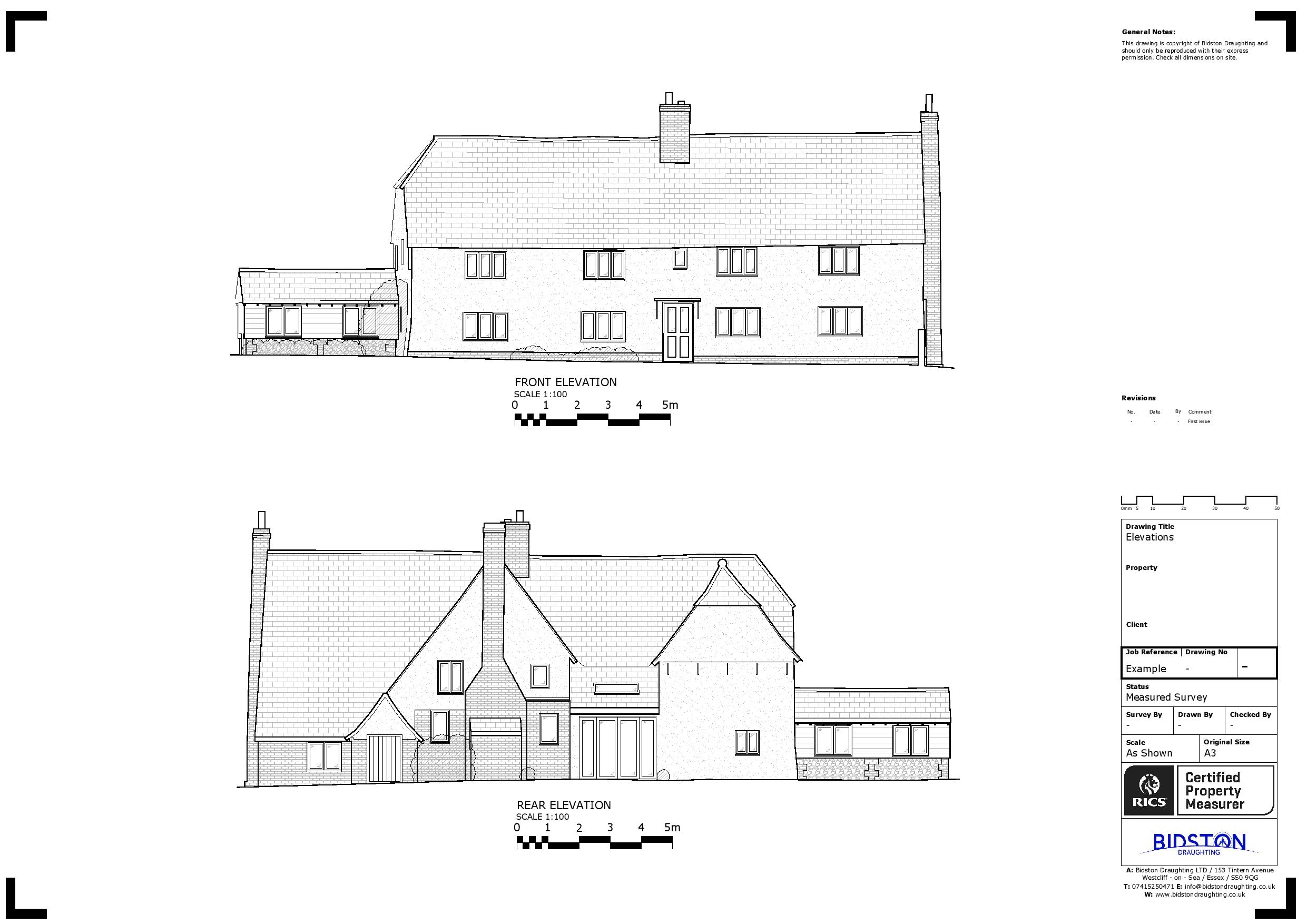
Moreover, the advantages of precise measured structure surveys reach beyond initial assessments. They facilitate effective area planning, improve collaboration between groups, and encourage better communication with clients. By incorporating accurate evaluation details into the organizing workflow, experts can conserve effort and resources, reduce financial mistakes, and make certain that updates satisfy both design and practical requirements.
Advantages and Applications of Measured Surveys
Measured building surveys offer numerous advantages that are essential in various aspects of the construction and architectural industries. One of the primary advantages is the precision of data collected. Accurate measurements allow architects and engineers to create detailed plans, minimizing errors during construction. This degree of detail is particularly important for renovation projects where existing structures may not correspond with traditional building models, thus guaranteeing that alterations fit smoothly into the overall design.
Additionally, precise surveys facilitate a wide range of applications beyond just construction. They play a vital role in facilities management, providing essential information on space usage and building conditions. Property developers often trust these surveys to assess site potential and inform investment decisions. Furthermore, in historic building restoration, precise surveys allow careful planning, allowing restorers to identify critical elements that must be preserved while updating infrastructure to meet modern standards.
The use of cutting-edge technologies such as laser scanning and 3D modeling has transformed the application of precise surveys. These tools boost the precision of survey data, enabling for better visualization and planning. As a result, industries that depend on accurate building information, such as real estate, engineering, and urban planning, gain significantly from the insights provided by measured surveys. Adopting these technologies can lead to significant time and cost savings while enhancing project outcomes.
Technological Innovations in Surveys
The field of surveying has seen significant change in the past few years, largely due to advancements in technology. The use of laser scanning, for instance, has transformed the precision and efficiency of measured building surveys. Such technology allows surveyors to obtain exact three-dimensional data of a structure, producing intricate digital models that are invaluable for architects and engineers. The capability to gather extensive amounts of data quickly shortens the time taken for traditional surveying methods and reduces human error.
Alongside laser scanning, the combination of Building Information Modeling (BIM) with measured building surveys has provided a new dimension to construction planning and design. BIM allows for the visualization of a project in a cooperative digital environment, making it simpler for all stakeholders to grasp the consequences of design choices. This synergy enhances communication between architects, contractors, and clients, culminating in more informed decision-making and ultimately, more successful projects.
Lastly, the use of drone technology is significantly improving the effectiveness of measured building surveys. Drones can cover large areas in a fraction of the time it would take traditional methods, providing aerial perspectives and capturing data from difficult-to-reach locations. This not only does this improve the accuracy of surveys but also offers innovative insights that can lead to novel design solutions. As these technologies continue to evolve, their adoption into the surveying process promises to optimize workflows, enhance accuracy, and reduce costs across various industries.