

Within today's rapidly changing business environment, having a reliable commercial air conditioning system is vital for ensuring a pleasant and productive workspace. Whether you're managing a busy office, a retail store, or a large industrial facility, the appropriate air conditioning setup can greatly impact both the comfort of your staff but also the overall efficiency of your business processes. Thanks to advancements in technology and a increasing focus on energy efficiency, understanding the various options available for commercial air conditioning has never been as important.
This comprehensive guide is designed to help business owners maneuver through the complexities of commercial air conditioning systems. From choosing http://www.newcastleaircon.co.uk/best-Commercial-Air-Conditioning-tyne-and-wear for your specific needs to knowing the signs that indicate your AC may require maintenance, we will cover it all. Moreover, we will explore the many benefits of installing an efficient air conditioning system and provide tips on how to enhance indoor air quality while managing energy costs in control. If you're considering a new installation or seeking to upgrade your existing system, this guide will equip you with the information necessary to make informed decisions and ensure a pleasant space for your business.
Selecting a Suitable Corporate AC Unit
Determining a appropriate commercial AC system is vital to ensuring a comfortable setting for the company. This begins by assessing the specific requirements of your space, including the size, layout, as well as the employees. Various types of units, such as split-unit systems, packaged units, and Variable Refrigerant Flow or Variable Refrigerant Volume units, provide different levels of efficiency and benefits. Calculate the cooling load needs to ensure that you select the system capable of properly support preferred temperatures and preventing excessive energy use.
Effectiveness is a further consideration when selecting a corporate AC unit. Seek out units with high SEER scores, because such units are designed to use less energy efficiently while offering maximum cooling. Additionally, factor in the long-term operational costs, which includes upkeep and utility costs. Purchasing energy-efficient models may require greater upfront expenses, yet they often lead to significant savings over time as well as contribute to the eco-friendly operation.
Ultimately, one should to consult skilled professionals when making your choice. A reliable commercial HVAC specialist is able to perform a thorough evaluation and recommend the best solutions that fit your operations. They can further assist clients with the entirety of the installation procedure, ensuring that each part are installed correctly and functioning effectively. By collaborating with professionals, you will have confidence in the decision, understanding that it will benefit your work environment and support the entire efficiency.
Advantages and Care of Commercial AC Systems
Setting up a commercial air conditioning system offers multiple advantages for companies. A key benefits is improved indoor air quality, which is essential for the well-being and safety of staff and clients. A properly designed AC system can filter out contaminants, allergens, and excessive humidity, creating a comfortable and productive environment. Additionally, commercial AC systems can significantly boost employee productivity by keeping optimal temperature conditions, minimizing discomfort, and fostering a more conducive workspace.
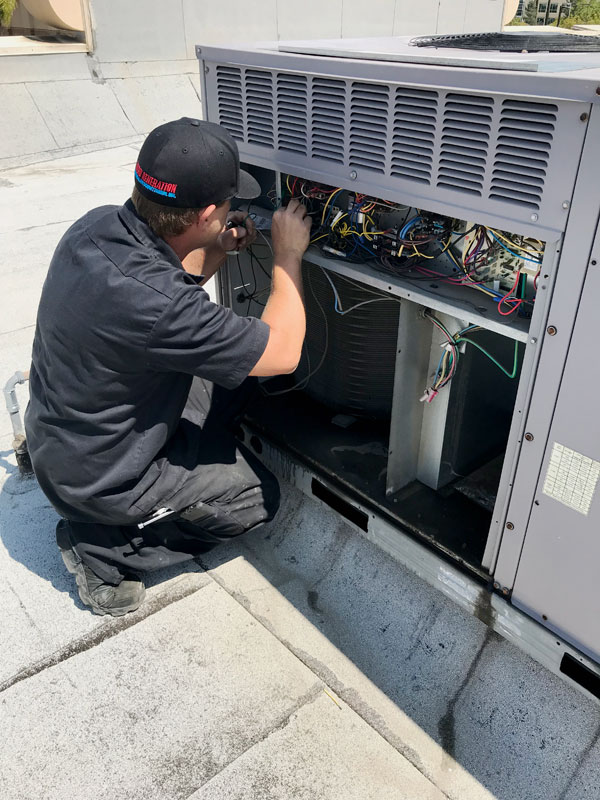
Proper maintenance of business air conditioning systems is vital to maintaining their effectiveness and longevity. Regular servicing can avoid costly breakdowns and prolong the lifespan of the equipment. Implementing a preventative maintenance plan that includes routine inspections, maintenance of filters, and monitoring refrigerant levels can help identify potential issues early, saving businesses time and money. This proactive approach minimizes downtime and guarantees that the system operates at peak performance throughout its duration.
Additionally, energy efficiency is a significant issue for many companies today, and properly maintained commercial AC systems can help reducing energy bills. By enhancing system performance through regular maintenance, businesses can decrease their energy consumption and adopt more sustainable practices. Utilizing energy-efficient technologies and adhering to compliance regulations not only benefits the planet but improves a company's image as a responsible and forward-thinking entity.
Future Trends in Business Air Conditioning Technology
As businesses increasingly focus on energy-saving and sustainability, the future of commercial air conditioning technology is moving towards intelligent systems that enhance performance while reducing environmental impact. These advanced systems often feature integrated IoT capabilities, enabling for real-time monitoring and management. Building managers can retrieve performance data via smartphone apps, allowing them to make data-driven decisions that improve energy use and boost overall efficiency.
Another major trend is the rise of variable refrigerant flow (VRF) systems. These units provide exact temperature control in different zones of a commercial building, reducing energy consumption compared to traditional systems. VRF technology alters the flow of refrigerant depending on the cooling requirements, which results in diminished operational costs and enhanced comfort for occupants. As this technology becomes more accessible, many businesses are selecting VRF systems to improve their HVAC systems.
Additionally, eco-friendliness continues to be a key factor behind innovations in enterprise HVAC systems. The implementation of eco-friendly refrigerants, energy recovery ventilators, and advanced filtration systems is becoming standard, further supporting indoor air quality and the decrease in carbon footprints. As compliance standards become stricter and public demand for greener solutions rises, the adoption of these technologies will likely rise, shaping the future environment of business air conditioning systems.