

Within the current rapidly changing and ever-evolving corporate environment, the importance of washroom products often goes unnoticed. Nonetheless, these items play a vital role not just in maintaining hygiene and also in enhancing the overall satisfaction for workers, customers, and visitors alike. From hand soaps and sanitizers to paper towels and toilet paper, the right choice of consumables can reflect a company's commitment to hygiene and comfort. In examining the trends and innovations influencing the washroom consumables market, it's essential to grasp how these items can affect workplace health, sustainability, and cost efficiency.
In this comprehensive manual, we'll discuss all aspects from selecting the ideal washroom consumables for various facilities to comprehending the effect of these supplies on customer contentment. We'll also examine closely the shift towards eco-friendly choices, the advantages of smart dispensers, and the newest trends that businesses should be cognizant of as we move into the future. Whether you're managing a bustling office, a crowded school, or a hospitality venue, this exploration will equip you with the information needed to take informed decisions that benefit both your organization and the planet.
Choosing the Right Washroom Supplies
When deciding on restroom consumables for your facility, recognizing your unique needs is paramount. Factors such as the kind of establishment, the volume of foot traffic, and the demographic of users play a critical role in establishing which items will best serve your space. For example, a high-traffic corporate office may favor large-scale dispensers for toilet paper and hand sanitizer, while a boutique may focus on visual qualities alongside functionality. Assessing these factors helps confirm that the supplies chosen not only satisfy the functional needs but also are in harmony with the overall branding of the company.
Another significant consideration is the balance between quality and cost. While less expensive products may seem appealing, spending in premium supplies can elevate user experience and hygiene standards. Poor-quality items can lead to increased maintenance problems, greater waste production, and discontent among users. It's essential to evaluate products based on their longevity and performance to ensure they offer good value over time, rather than just opting for the lowest price in the short term.
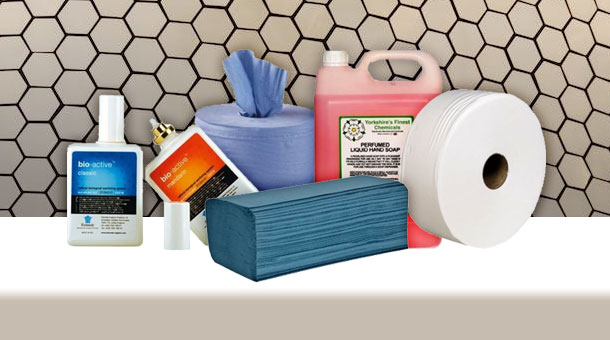
Sustainability is increasingly crucial when determining washroom supplies. Choosing sustainable options can greatly reduce your establishment's environmental impact while also attracting to a expanding customer base that values sustainability. Look for products that are compostable or made from repurposed materials, and consider using dispensers that reduce waste. By incorporating sustainable practices into your supply choices, you not only contribute to a more sustainable planet but also improve your company's reputation as a responsible entity in the market.
Crucial Bathroom Consumables for Every Workplace
Every establishment demands a set of critical bathroom consumables to provide a tidy and hygienic atmosphere for workers and guests. The fundamental necessities include toilet paper, dispensable towels, and liquid soap. Toilet paper is fundamental not just for comfort but also for cleanliness, making it a non-negotiable item in any washroom. Go to this site are equally important, providing a speedy drying option for the hands after washing. Liquid soap, whether fluid or solid, is necessary for ensuring hygienic hand practices, especially in settings where wellness are critical.
In addition to the foundations, hand sanitizers and distributing devices have become important in modern workplaces. Hand sanitizers are particularly crucial in preventing the propagation of viruses and are a valuable addition to washrooms. Touchless dispensers can also enhance hygiene by minimizing touchpoints, which is increasingly important in health-conscious environments. Investing in top-notch dispensers can lead to reduced waste and streamlined use of items, making them a favorable choice for business operations.
Finally, an often neglected section is the addition of female hygiene supplies. Providing items such as sanitary pads and dispensing units in women's washrooms shows an awareness of employee needs and encourages inclusivity. Maintaining a stock of these consumables shows a responsibility to the wellness of employees and can greatly enhance workplace morale. By strategically providing these important items, companies can create a more pleasant and mindful bathroom atmosphere for everyone.
Green and Affordable Practices
In today's world, combining eco-friendliness with cost efficiency is essential for modern businesses. Adopting green washroom consumables merely benefits the environment but can also lead to considerable savings. Many businesses are choosing biodegradable paper products, refillable soap dispensers, and low-energy hand dryers. By embracing these green options, companies can minimize their carbon footprint while also lowering their operational costs in the long run, as these products often require less frequent replacement and maintenance.
Another effective strategy is wholesale purchasing. Buying washroom consumables in larger quantities can lead to considerable discounts, lowering per-unit costs. This approach, combined with effective inventory management, ensures that facilities are not only supplied with necessary items but also cutting down on waste through proper usage tracking. Additionally, businesses can arrange better deals with suppliers when forging bulk orders, further enhancing financial benefits.
Finally, implementing smart dispensers can revolutionize the management of washroom consumables. These innovative systems allow for live monitoring of product levels, reducing the risk of shortages and waste. By studying usage patterns, businesses can adjust their ordering strategies appropriately, ensuring they are both eco-friendly and cost-efficient. This technological advancement not only streamlines operations but also enhances overall user experience in crowded areas, making it a beneficial for businesses striving for eco-friendliness and affordability.