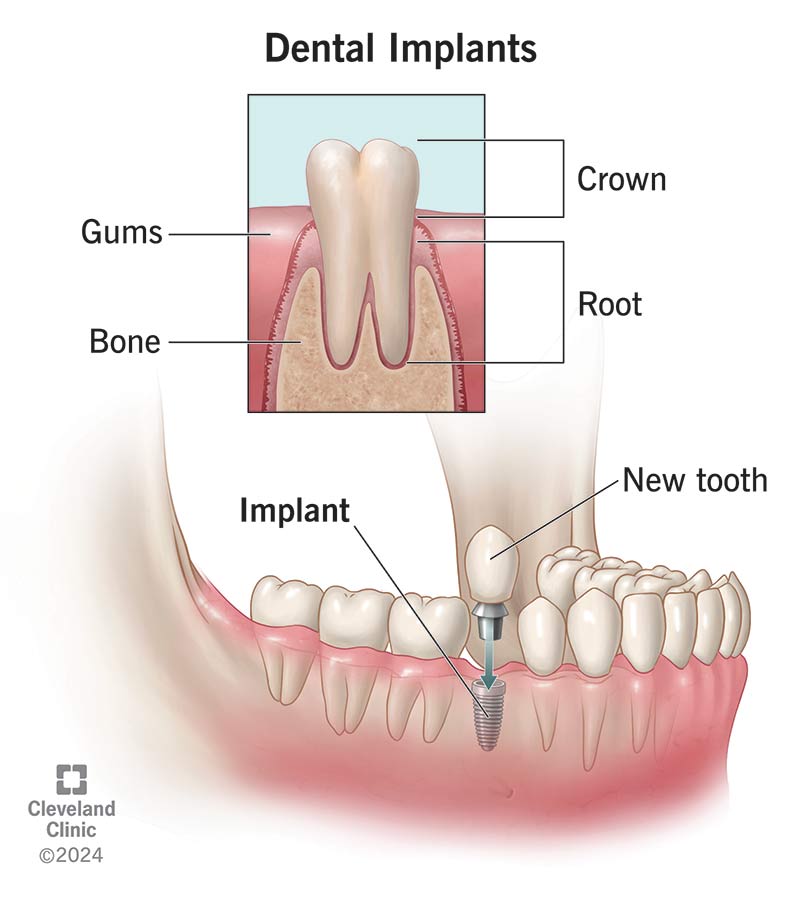
Recently, tooth implants have emerged as a groundbreaking solution for people who are interested in to revive their facial aesthetics and boost their mouth health. As more people become informed about the advantages provided by dental implants, the demand for this cutting-edge procedure continues to increase. Whether you're dealing with a solitary tooth gap or require a full smile makeover, grasping the details of dental implants is essential to making an informed decision about your dental health.
This piece delves into numerous facets of dental implants, from their function and benefits to the most recent innovations in techniques. We will explore key inquiries like how long they last, what to expect during the treatment, and how to care for them afterwards. If you've been considering dental implants or have any reservations about the process, you're in the best spot to learn everything you need to know about these life-changing dental solutions.
Understanding Oral Implants
Dental implants are artificial tooth roots that provide a durable base for stable, replacement teeth. Made of biocompatible materials, they are surgically embedded into the jawbone where they fuse with the bone over time. This process creates a strong and reliable foundation for a crown, bridge, or denture, allowing patients to experience both better functionality and aesthetics. With adequate care, dental implants can effectively mimic the sensation and function of natural teeth.
One of the key characteristics of dental implants is their capacity to support oral health. Unlike standard dentures that can move and cause pain, implants are firmly anchored, preventing problems such as bone loss and gum deterioration. As the jawbone keeps to regenerate around the implant, it helps maintain facial structure and prevents the sunken appearance often associated with tooth loss. This process highlights the value of dental implants not just for aesthetics but also for sustainable oral health.
Choosing dental implants can significantly enhance a person's quality of life. They restore the ability to eat a variety of foods with ease, improve speech, and elevate self-confidence. Many patients report a increased satisfaction with their smile and overall well-being after receiving implants. As advances in technology continue to develop, more individuals are seeking dental implants as a trustworthy solution for missing teeth, making them a vital consideration for modern dental care.
Advantages and Factors
Dental implants offer many compelling advantages that make them an alluring option for those with lost teeth. One of the key advantages is their ability to perform like real teeth, providing superior chewing efficiency and comfort. Dental implants are securely secured into the jawbone, which means they do not move or slip like dentures can, allowing patients to consume and speak with assurance. Additionally, implants can help maintain the jawbone by preventing bone loss that often occurs after tooth loss, promoting improved oral health overall.
However, potential candidates should also take into account the aspects involved in receiving dental implants. The procedure typically requires a surgical intervention, which may lead some individuals to feel anxious or apprehensive. It is crucial to discuss these feelings with a dental professional, who can provide reassurance and information on anesthesia options to reduce anxiety during surgery. Furthermore, suitable candidates need to have adequate bone density for the implant to be secured securely, and those with specific health conditions may need to consider alternative options.
The expense of dental implants is yet another important consideration, as the investment can be significant. While many patients find that the durability and functionality of implants warrant the cost, it is crucial to weigh the monetary aspects against individual budget and dental insurance coverage. Engaging in a thorough consultation with a dentist can help individuals comprehend the costs involved and look into financing options, ensuring that the decision they make is both a wise investment in their health and consistent with their monetary situation.
Care and Aftercare
Taking care for your implants is essential for guaranteeing their longevity and maintaining oral health. Daily oral hygiene practices, including brushing and floss cleaning, should be kept up as normal, treating your implants just like real teeth. It is also advised to use a soft-bristle toothbrush and gentle toothpaste to avoid damaging the implant surface. Regular visits to your dentist for evaluations and hygiene sessions are necessary for keeping track of the health of your implants and adjacent gums.
After the dental implant surgery, following specific aftercare instructions promotes optimal healing. Patients should stay away from hard or sticky foods for a few weeks after the procedure, as these can influence the firmness of the implants. Additionally, using saline rinses can help reduce swelling and aid in maintaining the surgical site clean, avoiding infection. Pain and discomfort are common and can be controlled with over-the-counter pain relievers as recommended by your dentist.
It is also important to watch for signs of complications, such as severe swelling, bleeding, or persistent pain, which may require prompt consultation with your dentist. Steering clear of tobacco products is vital, as smoking can greatly impact the success of the implants. By following these care and aftercare guidelines, individuals can reap the full benefits of their dental implants while ensuring a easy recovery and lasting results.