

In the current rapid world, successful monetary management is more important than ever. Regardless of whether you're an individual attempting to navigate personal finances or a small business owner looking to secure growth and sustainability, mastering the art of financial management is vital. Understanding what financial management is and why it holds great significance can establish the basis for success in the personal and professional spheres. Armed with proper skills and strategies, it is possible to take control of your financial future and make informed decisions that meet your goals.
The following piece serves as your essential kit for financial management. Starting with creating a personal financial management plan that fits your lifestyle to discovering the best strategies for managing your money wisely, we will examine a variety of topics aimed at enhancing your financial literacy. Learn how to build a budget, avoid common financial pitfalls, and set realistic goals that pave the way for sustained success. With the right knowledge and tools at your disposal, it is possible to transform your financial health and secure a brighter financial future.
Understanding Financial Management
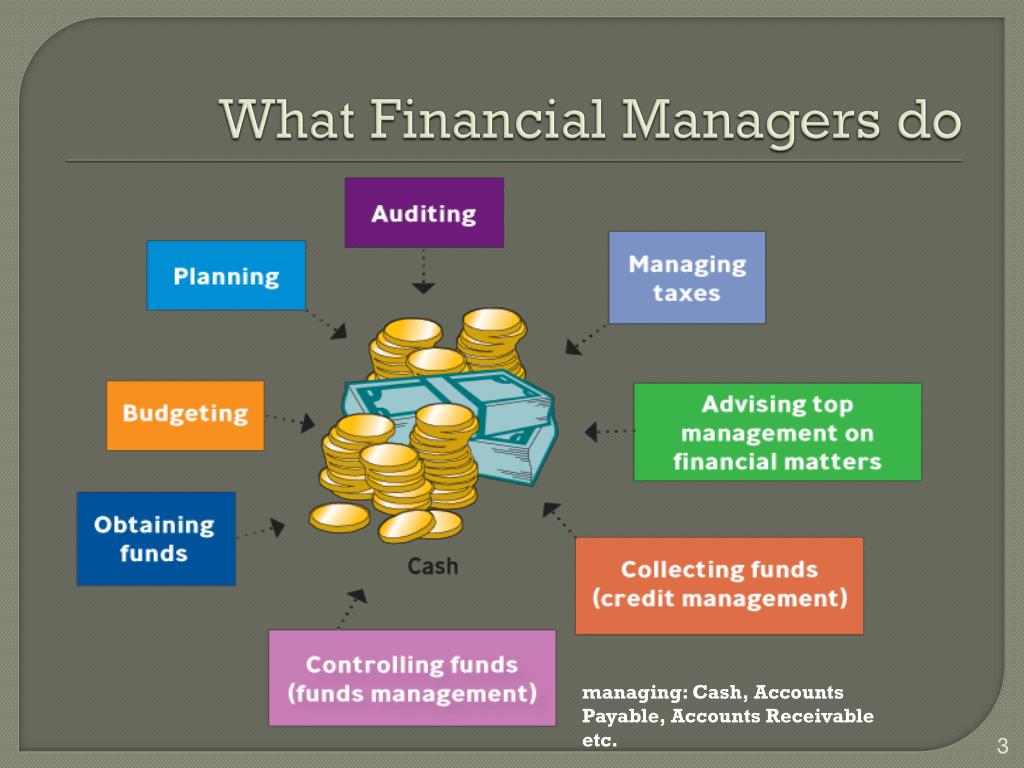
Finance management is the approach of organizing, directing, and controlling the monetary actions of an entity or organization. It involves the effective use of capital and assets to achieve specific financial goals. By understanding monetary management, individuals and businesses can make educated judgments regarding capital allocations, budgeting, and monetary tactics, which ultimately help to reaching economic security and development.
An important aspect of monetary management is acknowledging its value in both personal and business contexts. For persons, efficient monetary management leads to better budgeting, capital preservation, and investment strategies, guaranteeing sustained financial stability. For businesses, it plays a pivotal role in supporting operations, enhancing profit margins, and obtaining financing for subsequent growth. The ability to manage finances effectively can differentiate prosperous organizations from those facing challenges fiscally.
Additionally, monetary management encompasses various approaches and methods aimed at optimizing financial performance. This involves formulating financial plans, controlling monetary flow, understanding accounting statements, and discovering investment opportunities. By grasping these ideas, individuals can not only maneuver their present fiscal situation but also get ready for future obstacles and pursue their long-term financial aspirations.
Formulating Efficient Financial Plans
Formulating successful financial plans is crucial for achieving stability and success, whether for individuals or businesses. The basis of a robust financial plan lies in defining explicit, realistic goals that match with both short-term and long-term aspirations. It's critical to consistently review and update these goals as circumstances change, ensuring they continue relevant to your financial condition. Being clear about what you desire to achieve, be it it’s saving for retirement, buying a home, or growing a business, provides a guide to follow and drives you to keep on track.
A comprehensive financial plan also stresses the importance of budgeting and cash flow management. By keeping tabs on income and expenses, individuals and businesses can pinpoint areas where they may be overspending and modify their habits as needed. Effective budgeting includes not only designating funds for essentials but also setting aside for future needs and emergencies. Comprehending cash flow—how capital enters and flows out of your accounts—is crucial, as it helps prevent financial strain and ensures you have the capital available when chances arise.
In conclusion, including tools and technology into your financial planning can enhance processes and refine decision-making. There are a variety of apps and software options available that can help with budgeting, tracking expenses, and analyzing financial data. Employing these tools can ease challenging financial tasks, allowing you to dedicate your efforts on strategic planning and goal attainment. By merging technology with sound financial practices, you can create an effective financial plan that adjusts to your life transformations and continues to enhance your financial health. spintax
Approaches for Financial Success
To attain financial success, one must embrace a strategic approach to money management. Start by creating The original source that reflects your income, expenses, and savings goals. This budget should be flexible, enabling for adjustments as your financial situation changes. Keeping track of your spending habits through applications or apps can help highlight areas where you can cut costs and save more successfully. Regularly assessing your budget ensures that you remain on course and can adapt for unforeseen financial challenges.
Creating clear financial goals is crucial in the process toward financial success. Separate between immediate and long-term objectives, such as setting aside for a vacation or planning for retirement. Creating SMART goals—clear, measurable, attainable, pertinent, and time-bound—will provide you with focus and motivation. Regularly monitor your progress and acknowledge small milestones to maintain enthusiasm and devotion to your financial journey.
Building an emergency fund is another key strategy for financial security. Aim to set aside three to six months' worth of living expenses, which can provide a cushion against unexpected financial surprises, such as job loss or medical emergencies. Additionally, investing in your financial education and requesting advice from experts when necessary can equip you with the insight and resources needed to make smart decisions. By integrating these strategies into your financial management plan, you can pave the way for long-term financial health and success.